Pre-Cooling of Air Cooled Condensers
The Pre-Cooling of Air Cooled Condensers is an effective method for helping improve condenser performance during hot weather. Air-cooled condensers rely on ambient air to remove heat from refrigerant or process fluids. When outdoor temperatures rise, heat rejection can become less efficient, potentially increasing system operating pressure and energy consumption. A suitable pre-cooling solution helps lower the temperature of the air entering the condenser under appropriate environmental conditions.
Air Cooled Condenser Pre-Cooling System
An Air Cooled Condenser Pre-Cooling System typically uses fine water mist to cool the incoming air before it passes through the condenser coils. As the water droplets evaporate, they absorb heat from the surrounding air, reducing its temperature and helping the condenser operate under more favorable conditions.
The effectiveness of this process depends on ambient humidity, temperature, water quality, airflow, and system design. Proper nozzle selection and uniform mist distribution are essential for achieving effective evaporative cooling while minimizing unwanted wetting of condenser surfaces.
Efficient Air Cooled Condenser Cooling Solutions
Air Cooled Condenser Cooling solutions are suitable for refrigeration plants, HVAC systems, industrial process cooling, cold storage facilities, and other applications using air-cooled condensers. Fine mist pre-cooling can help improve thermal conditions around condenser air intakes when properly designed and controlled.
Water filtration is important to help prevent nozzle blockage and reduce mineral deposits. System design should also account for water quality, corrosion risks, airflow requirements, and equipment manufacturer recommendations.
Get Quote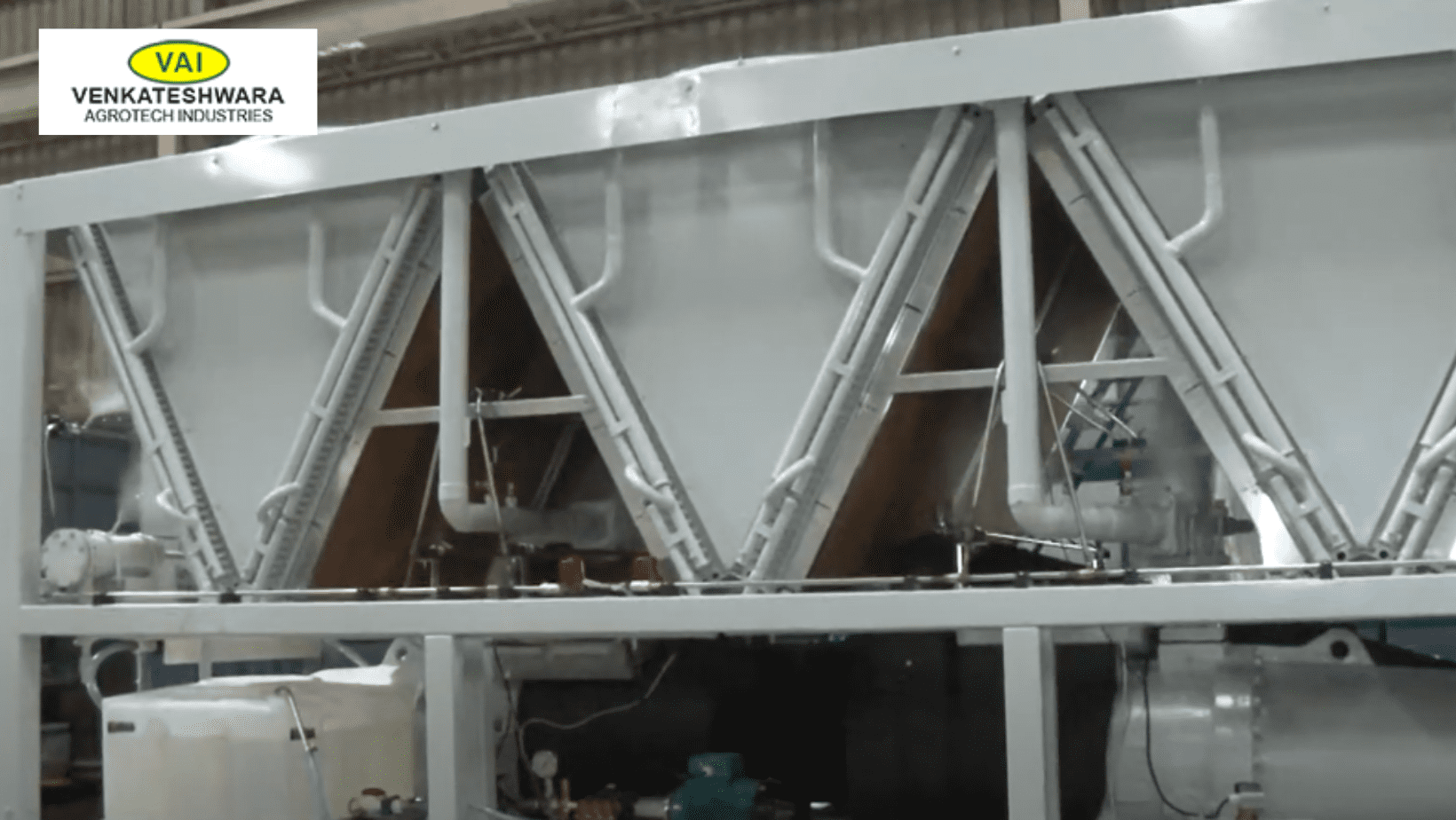
The key principle behind adiabatic cooling is that heat energy is transferred from the warm air to the water during evaporation, resulting in the air being cooled. This cooling method is energy-efficient and environmentally friendly, as it relies on the natural process of evaporation rather than energy-intensive refrigeration.
Benefits of a Condenser Pre-Cooling System
A well-designed Condenser Pre-Cooling System can be useful for industrial facilities and commercial installations operating in hot climates. By reducing incoming air temperature, the system may help improve heat rejection and reduce compressor workload under suitable operating conditions.
Key benefits include:
- Supports improved condenser cooling performance
- Potential reduction in compressor energy consumption
- Helps manage high ambient temperatures
- Suitable for industrial and commercial cooling applications
- Can be integrated with compatible existing condenser installations
Actual energy savings and performance improvements depend on equipment specifications, weather conditions, system controls, and operating load.
Choose the Right Condenser Pre-Cooling Solution
Mist Cooling System india provides misting, cooling, and humidification solutions for various industrial and commercial applications. Contact our team to discuss your condenser specifications and operating requirements. Explore an Air Cooled Condenser Pre-Cooling System to help improve cooling efficiency and support reliable performance during hot weather.
How it Works
FAQ's
Adiabatic cooling systems differ from traditional air conditioning systems in that they utilize the natural process of evaporation to cool the air, whereas traditional AC systems rely on refrigeration cycles. Adiabatic cooling systems are more energy-efficient and cost-effective compared to conventional air conditioning methods.
The main components of an adiabatic cooling system typically include a water source, pumps to circulate water, a spray mechanism to atomize water into fine droplets, a cooling pad or media, and fans to circulate the cooled air.
Adiabatic cooling systems are particularly effective in hot and dry climates where the air is capable of absorbing more moisture. However, they can also be used in moderate climates to provide additional cooling and humidity control.
Applications

Indoor Mist Cooling System
In todays modern world uses the same principle of evaporative cooling to reduce temperatures for Patios, Hotels.

Green House Fogging / Propagation Misting System
Professional growers know that it is vital to monitor and control all environmental factors that can affect their crops.

Adiabatic Cooling Kit / Pre-cooling of Air Cooled Condenser
Engineering is a professional discipline that deals with the consec adipis elit sed do eiusmod tempor incididut labore et dolore.

Livestock Cooling Systems
FOR CATTLE / GOAT / PIG FARMS: VAI mist cooling system reduce heat stress thereby providing improved.

Dust Suppression Systems
Fugitive dust (PM10 and subPM10) in the workplace is a major hazard for most industries. Failure to address any of.
Industrial Mist Cooling
In many workplaces, high temperature is the cause of both labor and machinery decline. Additionally, the floating small particles.

Industrial Odor Control System
Many industries have odor control issues. Some of these industries have rules and regulations that must be met to

Fogging System For Humidification in Textile, Spinning & Weaving Mill
Professional growers know that it is vital to monitor and control all environmental factors that can affect their crops.

Moisture System
Properly maintained moisture system levels, will result in improved quality and minimal downtime or rejection.

Fan and Pad Cooling System
We fabricate qualitative range of Fan, Pad Evaporative Cooling System. It is used to cool the air by using the heat present